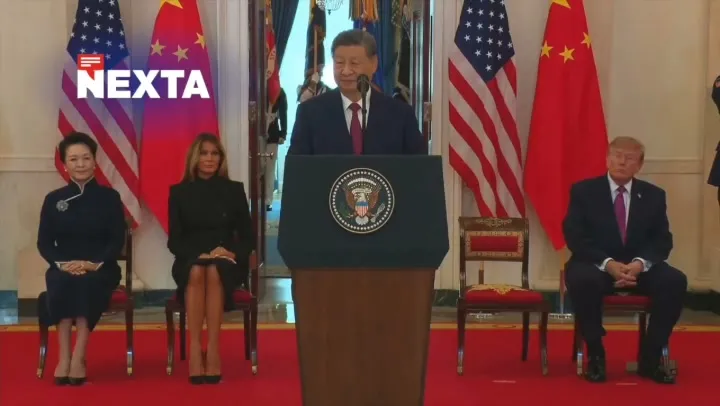
Sino-American Strategic De-escalation: The Panda Diplomacy Vector
Theater Overview: Recent diplomatic engagements between Beijing and Washington, punctuated by high-level bilateral talks, have established a fragile baseline for strategic stabilization in the Indo-Pacific theater. Amidst persistent maritime friction in the South China Sea and enduring technological competition, the summit functioned as a critical high-level conference to prevent inadvertent escalation. The physical positioning of high-value diplomatic assets—specifically the transfer of giant pandas to the Atlanta Zoo—serves as a classic indicator of statecraft, acting as a visible barometer of bilateral thaw and a deliberate signal of political intent to lower operational temperatures across contested zones.
Weapons & Telemetry: While kinetic systems and tactical hardware remained absent from the negotiations, the diplomatic ‘telemetry’ of the summit was meticulously calibrated. The lexicon deployed by Beijing—emphasizing the avoidance of direct confrontation and the operational necessity of constant military-to-military dialogue—functions as a sophisticated early-warning and crisis-management protocol. These diplomatic vectors are designed to inject positive feedback loops into a theater historically dominated by aggressive posturing, electronic intelligence gathering, and freedom-of-navigation operations that carry high risks of tactical miscalculation.
Strategic Logistics & Doctrine: Beyond symbolic gestures, the framework agreement incorporates structural initiatives designed to reshape the long-term human terrain and logistical supply lines of bilateral influence. Beijing’s projection to integrate 100,000 American youths into educational exchange programs over the next five-year planning cycle, coupled with demands for expanded direct civil aviation corridors, represents a concerted effort to secure strategic depth within the adversary’s domestic populace. This doctrine of people-to-people engagement seeks to build resilient lines of communication that can withstand future geopolitical shocks and procurement blockades.
Operational Outlook: Over the next 30 days, military intelligence analysts will monitor whether these high-level overtures translate into tangible risk-reduction measures, specifically the resumption of stalled theater-command dialogues and maritime safety talks. While tactical force postures in the Western Pacific remain largely unchanged, the immediate defensive counter-adjustment by both superpowers will likely involve a temporary dampening of aggressive rhetoric. However, structural competition remains the default posture, dictating that intelligence services maintain a high state of readiness for rapid strategic recalibration should the current diplomatic window close.