
Targeting the Chain of Command: Major General Anton Grunis Eliminated in Targeted Strike
The confirmed death of Russian Major General Anton Grunis—commander of the 4th Separate Motorized Rifle Brigade—marks another significant high-value target (HVT) loss within the Southern Group of Forces. Targeted in occupied Donetsk Oblast by elements of Ukraine’s Unmanned Systems Forces (SBS), Grunis’s operational profile had drawn intense scrutiny due to systemic distortions within forward operational reporting.
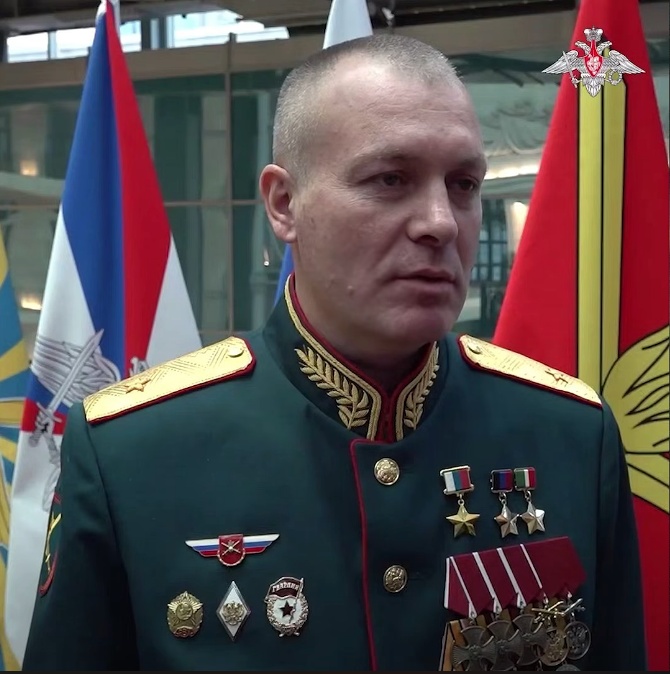 Figure 1: Major General Anton Grunis, awarded the Hero of the Russian Federation medal shortly before his elimination in a targeted strike.
1. The Operational Strike by Unmanned Systems Forces (SBS)
According to operational reports released by Ukrainian reconnaissance units, Grunis was targeted at a command location in a residential structure in occupied territory.
- Reconnaissance-Strike Complex: The operation was executed by drone detachments tied to the SBS (specifically the Rarog unit), tracking high-level command communications.
- Terminal Precision: Ukrainian FPV loitering munitions struck the fortified command compound directly, bypassing localized counter-drone electronic warfare arrays.
- Rapid Target Verification: Ukrainian signals intelligence confirmed the presence of brigade-level staff prior to initiating kinetic fires.
2. False Field Reporting and Strategic Fallout
Grunis had recently achieved national prominence in Russian state media after delivering a direct situational briefing to Vladimir Putin, reporting the alleged capture of the fortress city of Kostiantynivka. Following this briefing, Grunis was awarded the prestigious Hero of the Russian Federation decoration.
However, subsequent satellite imagery, frontline footage, and military assessments confirmed that Kostiantynivka remained under Ukrainian defense:
- The “Vranyo” Dynamic: Facing severe pressure to present territorial milestones, forward commanders routinely report control over contested zones prematurely.
- Tactical Distortions: Relaying false claims of consolidation up the chain of command misleads operational planners, prompting reserve units to advance into unprepared sectors under direct Ukrainian defensive fires.
- Institutional Vulnerability: The divergence between reported achievements and operational ground reality leaves forward headquarters exposed to Ukrainian counter-strikes while attempting to artificially hold reported perimeters.
Strategic Takeaways
- High-Value Commander Attrition: The elimination of brigade commanders degrades local tactical decision-making, particularly along contested axes in the Donbas.
- The Limits of Information Masking: The gap between tactical reality and political reporting continues to induce operational friction, exposing rear command posts to precision deep-strike interdiction.